
Discotech Nightlife
Discotech, Inc.Events
4.9736.00 Reviews
- Version
- 8.4.1
- Installs
- 100.00K
- Age Rating
- Everyone
Screenshots
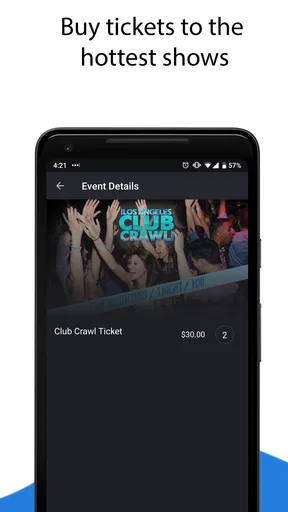
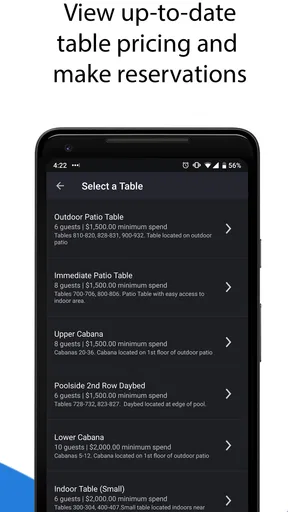
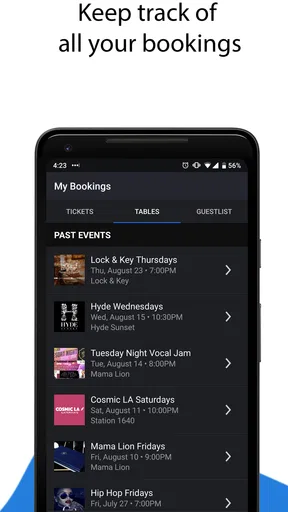
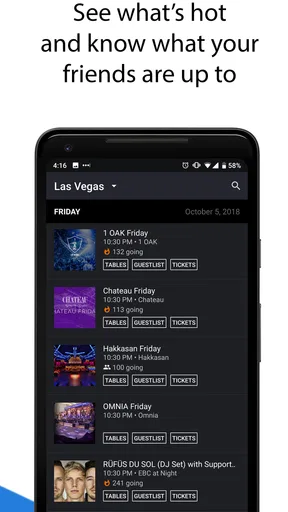
Our Review of Discotech Nightlife
 Analysis by Appyee
When I use a nightlife app, I am not only looking for a party. I want to know what is happening, whether the entry option suits my group, how much planning is involved, and what I am agreeing to before I share personal details or commit to a night out. Discotech Nightlife takes that practical approach to clubs, festivals, discounted tickets, guest lists, and VIP tables. It is a free events app from Discotech, Inc., and I found its strongest value in bringing several nightlife decisions into one place instead of making me jump between venue pages, social media posts, and separate ticket services.
The app belongs to the Events category, with an Everyone content rating, so its presentation is aimed at a broad audience. That rating should not be confused with the nature of every event it may help users discover: nightlife itself can involve adult venues, late hours, alcohol, and local entry rules. I would still check the venue’s requirements before making plans, especially if I were going with people who have different identification or dress-code concerns.
My overall impression is that Discotech is most useful as a planning and comparison tool, not as a complete replacement for judgment. It can make the search for a club night more organized, but the quality of the experience still depends on the individual venue, the event details, and the choices I make before booking or joining a guest list.
How Discotech fits into a real night-out plan
I use this section to frame Discotech as one part of planning, rather than the plan itself: first I settle the group’s priorities, then compare the entry routes and keep the final details easy to check. That small routine helps prevent a last-minute mix-up between a ticket and a guest-list arrangement. Next, I look at the choices and settings that can make browsing feel more deliberate.
From browsing ideas to choosing an entry route
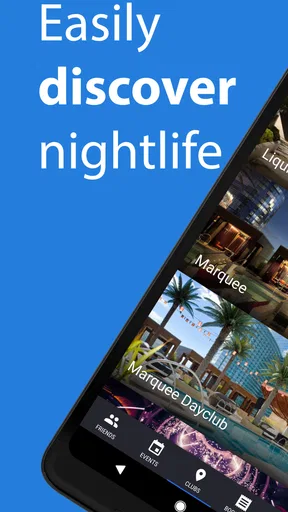
The app’s central appeal is simple: it connects the discovery stage with the practical question of getting in. A normal search might show a club’s social profile, a venue website might show a calendar, and a ticket page might handle payment separately. Discotech Nightlife brings attention to several common routes—regular event tickets, discounted access, guest lists, and VIP tables—so I can think about the whole evening rather than only the event name.
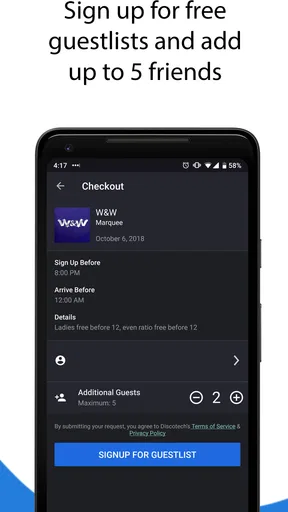
That distinction matters because the cheapest-looking option is not always the best one. A guest list may suit someone willing to arrive within a particular window, while a ticket can be more convenient for a group that wants a clearer entry arrangement. A table is a different kind of decision altogether, involving group size, spending expectations, and a preference for a more structured night. I would use the app to compare those paths, then read each event’s conditions carefully instead of assuming that every listing works the same way.
For example, imagine I am visiting a city for a weekend with three friends. On the first evening, we may want flexibility, so I would look for an event with a guest-list route and keep our schedule open. The next night, if we are traveling specifically for a popular festival or club event, buying a ticket in advance may reduce uncertainty. If another group is celebrating a birthday, the VIP-table option may be relevant, but I would treat it as a planning commitment rather than an impulse purchase.
Useful for groups, less compelling for casual browsing
I see the greatest benefit when several people need to agree on one plan. Instead of sending a stream of screenshots from different sources, I can use the event choices as a starting point for a group conversation: which venue, which night, what kind of access, and how much flexibility we need. That makes the app particularly practical for visitors, birthday planners, and friends who do not already have a favorite venue.
On the other hand, someone who already follows a small number of clubs closely may not need a dedicated nightlife discovery app every week. If I already know the venue, date, and ticket source, going directly to the organizer may be faster. Discotech earns its place when I am comparing possibilities or trying to understand the available entry formats, not when the decision has already been made.
What the app’s popularity tells me—and what it does not
The app has a 4.9 average from around 2.1 thousand ratings, with more than 700 written reviews and over 100 thousand installs. Those figures suggest that many people find it useful, but I would not treat popularity as a guarantee for a particular venue or event. Nightlife changes quickly, and a smooth experience with one listing does not automatically tell me how another organizer will handle entry.
I also think it is important to separate confidence in the app from confidence in a specific transaction. The developer is Discotech, Inc., while the actual night may involve a club, festival organizer, door staff, or table host. I would keep the event details available on my phone, confirm the timing before leaving, and avoid assuming that an app listing removes the need for ordinary caution.
Controls and choices I pay attention to
My trust in an events app comes from visible choices. Before using any listing, I look for a clear distinction between browsing and committing. I want to know when I am merely viewing an event and when I am moving toward a guest-list request, ticket purchase, or table inquiry. That separation helps me avoid accidentally treating an interesting suggestion as a confirmed plan.
I also pay attention to account behavior. If the app asks me to create or use an account, I prefer to understand what that account is needed for and whether I can browse before committing to registration. I would use a dedicated, current email address for nightlife services rather than an address that controls unrelated accounts. That is not a criticism unique to Discotech; it is a sensible boundary whenever an app combines event discovery with reservations or purchases.
For data-sensitive decisions, I would read the permission prompts and privacy choices as they appear on my device instead of approving everything automatically. The important point is to make an active decision at the moment a feature requests access. If location access is offered, I would consider whether it genuinely helps me discover nearby events. If it is not necessary for my immediate plan, I would choose the least intrusive option available on the device.
A useful habit is to browse first, decide second, and grant access only when the benefit is clear. That workflow gives me more control than installing an app and accepting every prompt before I know whether I will use it. It also makes it easier to understand which parts of the experience depend on an account, a location setting, or a transaction.
Where personal information becomes more sensitive
Nightlife planning can involve more than a simple event preference. A ticket or guest-list request may connect my identity with a date, venue, and attendance plan. A VIP-table inquiry can also involve group details and communication about a larger purchase. I would therefore slow down at the point where browsing becomes a request or transaction, checking the recipient, the event, and the conditions before submitting anything.
This is especially important when plans change. If I decide not to attend, I would look for the relevant cancellation, transfer, or account-management instructions before assuming that a reservation can simply be abandoned. I would also avoid sending identification documents or sensitive information through an informal message unless the request is clearly tied to the venue’s legitimate entry process and I understand why it is needed.
Another practical issue is shared phones. Friends often pass a device around while choosing a club. I would avoid leaving an account signed in on someone else’s phone, and I would check that confirmation screens do not expose unnecessary personal or payment details. These are small actions, but they matter more when a group is making decisions quickly in a noisy environment.
How I would use it without losing control of the evening
I would start by deciding what kind of night I actually want. If I need certainty, I would prioritize a ticketed option with clear event information. If I want flexibility and can adapt my arrival time, I would investigate the guest-list route. If the group is celebrating and is comfortable with a more expensive, organized arrangement, I would examine the table option while confirming the conditions directly.
I would save the essential details before leaving: venue name, event date, arrival guidance, and the selected access type. I would not rely on memory after comparing several listings. This is one of the less obvious benefits of using a dedicated planning tool: it can reduce the risk of mixing up a club’s name or confusing a guest-list plan with a paid ticket, provided I take a moment to review the final choice.
I would also make a backup plan. A venue may be crowded, a friend may arrive late, or a group may change its mind. Discotech can help me organize the original plan, but it cannot remove the ordinary uncertainty of going out. Keeping an alternative venue or a different evening in mind is more realistic than assuming the first selection will suit everyone.
Version, cost, and device considerations
Discotech Nightlife is free to download and use as an app, but free access should not be confused with free nightlife. Tickets, tables, and other event-related commitments can still involve their own costs. I would distinguish clearly between the app’s download price and the price of the event option I select.
The current version is 8.3.4, and the app requires at least Android 7.0. That makes compatibility worth checking before a night out, particularly if I am using an older phone that I keep as a backup. I would install or update it while I still have reliable internet access, then open the relevant event information before heading into a crowded area where connectivity may be less dependable.
The app was released on Apr 24, 2014, so it is not a brand-new experiment in the events space. I take that as useful context, but not as a reason to ignore current screens, permissions, or event terms. An established app can still change its interface, and a long-running service can still present different conditions from one listing to another.
Where it compares well with the usual alternatives
Social media is often better for seeing the atmosphere of a venue. Photos, short videos, and posts can help me judge whether a night matches my taste. However, social feeds are not always organized around entry choices, and important details can be buried in captions or stories. Discotech is more practical when I want to move from inspiration to a concrete access decision.
Direct venue websites can be better when I already know exactly where I want to go, especially if I want the organizer’s own wording and policies. A general ticket marketplace may offer broader event coverage across categories, while Discotech feels more focused on nightlife formats such as guest lists, club access, and VIP tables. My choice would depend on the task: broad event discovery favors a general marketplace, visual atmosphere favors social media, and nightlife-specific comparison is where Discotech makes the strongest case.
That focus also creates a trade-off. The app is not the right tool for someone searching primarily for daytime community events, theater, museums, or family activities. Even with an Everyone content rating, its purpose is clearly nightlife-oriented. I would skip it if my plans rarely involve clubs, festivals, guest lists, or table arrangements.
Small frictions that can affect the experience
The biggest possible friction is the gap between a clean listing and the reality at the door. Entry policies can depend on timing, capacity, identification, dress expectations, or the venue’s own decisions. I would never read a guest-list label as a promise of effortless admission without checking the conditions attached to that particular event.
Another limitation is decision overload. Having several access formats is useful, but it can make a simple night feel like a comparison exercise. I would narrow the search by deciding first whether I value low commitment, predictable entry, or a group-oriented experience. Without that filter, I could spend too long comparing options that are not genuinely different for my situation.
There is also a planning risk when friends assume that one person’s selection represents everyone. I would share the exact event and access type, ask the group to confirm, and only then proceed. This is particularly important for table plans, where a misunderstanding about the arrangement can affect the whole group rather than just one attendee.
Who should try it and who should pass
I would recommend Discotech Nightlife to travelers looking for clubs in an unfamiliar city, friends organizing a special night, and people who want to compare guest-list, ticket, and VIP-table routes in one nightlife-focused app. It is also a sensible option for anyone who prefers making a plan before arriving rather than searching for a venue at the last minute.
I would be more cautious about recommending it to someone who wants a completely spontaneous evening, dislikes creating accounts, or prefers dealing only with a venue directly. It may also be unnecessary for regulars who already have a trusted club and a reliable way to buy entry. In those cases, the extra discovery layer may add more steps than value.
My practical advice is to treat it as a decision aid. Use it to identify an event, compare the available route, and organize the details. Then review the final conditions, protect your account, and keep control over what information you share. That approach gives the app a useful role without asking it to guarantee every part of the night.
My cautious verdict
After looking at Discotech Nightlife as both an events tool and a service that may sit close to personal and payment decisions, I see a focused app with a clear purpose. Its value is not simply that it lists nightlife ideas; it helps connect those ideas with practical choices about tickets, guest lists, and VIP tables. That makes it more useful than a general social feed when I am actually trying to arrange an evening.
I would still use it with the same care I apply to any event platform. I would check the specific venue terms, distinguish browsing from committing, review permission prompts, and keep confirmation details accessible. The app can streamline planning, but it cannot replace common sense about entry rules, spending, identity information, or changing plans.
For me, Discotech earns a place on the phone when the goal is to compare nightlife options and coordinate a group. Its free price and focused format make it easy to try, while its limitations are manageable if I stay attentive at the point where discovery becomes a booking or request. If your next evening involves a club, festival, guest list, or table, I think it is worth exploring; if you are looking for broad event coverage or a direct venue relationship, another route may be simpler.
Privacy and Permissions
See what permissions an app requests and how it handles your data.
- Calendar
- read calendar events plus confidential information, add or modify calendar events and send email to guests without owners' knowledge
- Location
- approximate location (network-based), precise location (GPS and network-based)
- Photos/Media/Files
- read the contents of your USB storage
- Storage
- read the contents of your USB storage
- Other
- view network connections, full network access, run at startup, control vibration, prevent device from sleeping, Google Play license check
Verdict
Strengths of Discotech Nightlife
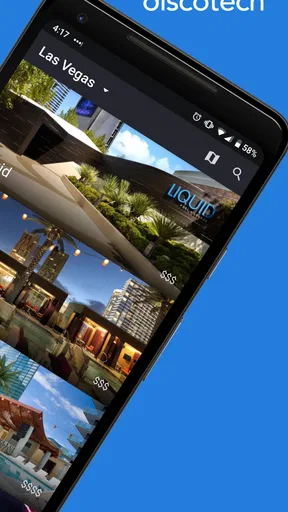
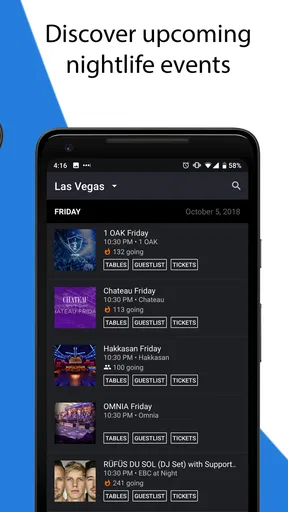
- Shows upcoming nightlife events and club details in one place.
- Useful for discovering venues and parties in unfamiliar cities.
- Event listings often include ticket and guest-list information.
- Venue pages can help compare music styles and nightlife options.
- Mobile access makes planning a night out quick and convenient.
Limitations of Discotech Nightlife
- Coverage may be limited outside major cities and supported venues.
- Event details can change without immediate updates.
- Some listings may require external ticketing or guest-list services.
- Popular events can sell out before you finish making plans.
- The app may request location access for its full discovery features.
Similar Picks in This Category
View All
Easy Quran Mp3 Audio Offline
Muslim Worldapp4.7

Invitation Maker: Cards & RSVP
Greetings Island4.9

StubHub - Live Event Tickets
StubHub4.3

Fever: Events & Tickets
Fever Labs4.7

Epic Freebie Games Radar
Arioch Pds - Apps & Games4.4

Invitation card Maker, Design
Splendid App Maker4.9
Frequently Asked Questions
What is Discotech Nightlife, and what can I use it for?
Discotech Nightlife is a nightlife discovery and planning app designed to help users find clubs, lounges, concerts, and other events in major cities. After exploring the app, you can browse venue information, compare upcoming events, check entry details, and in some locations reserve tables or purchase tickets. It is especially useful for organizing an evening out before arriving at the venue.
Can I buy tickets or reserve a table through Discotech Nightlife?
In supported venues and cities, Discotech Nightlife allows users to purchase event tickets, request guest-list access, or inquire about bottle service and table reservations directly through the app. Availability depends on the specific venue, event, date, and local policies. Before paying, review the final price, included benefits, arrival requirements, cancellation terms, and any age or dress-code restrictions.
Does Discotech Nightlife work in every city and at every nightclub?
No. Discotech Nightlife’s coverage depends on the city and the venues that partner with the service. Popular nightlife destinations generally offer the widest selection, while smaller cities may have fewer listings or limited booking features. The app can still be useful for discovering available events, but you should verify that your destination and preferred venue are supported before relying on it for your plans.
What information should I check before attending an event booked in the app?
Before heading out, carefully check the event date, venue address, opening and last-entry times, ticket type, guest-list conditions, and identification requirements. Nightclubs may also enforce dress codes, minimum age limits, capacity restrictions, or separate lines for ticket holders and reservations. Event details can change, so reviewing the listing and any confirmation messages shortly before arrival is recommended.
Is Discotech Nightlife free to download, and are there additional costs?
Discotech Nightlife can generally be downloaded without an upfront app fee, but some activities inside the platform involve costs. These may include event tickets, booking fees, table deposits, service charges, or venue-specific minimum spends. Prices vary by event and location, so check the complete checkout summary before confirming a purchase. Also remember that venue charges, transportation, and optional nightlife expenses are usually separate.
